
Why Dark Is One of the Greatest Time-Travel Series Ever Made
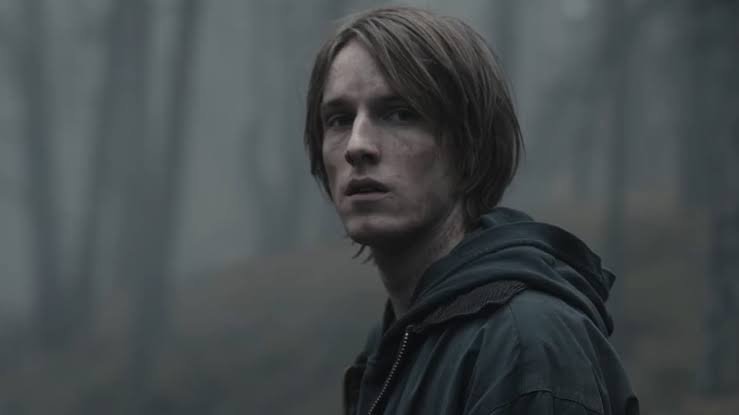
When people talk about mind-bending shows, most series rely on shock value, confusing twists, or flashy science fiction. But Dark does something very different — it turns time travel into an emotional, philosophical, and deeply interconnected puzzle where every detail matters.

Created by Baran bo Odar and Jantje Friese, the Netflix series isn’t just about moving through time. It’s about fate, trauma, family secrets, and the terrifying idea that the past, present, and future may already be written.

What Makes Dark Different From Other Time-Travel Shows?
Most time-travel stories follow a simple rule:
Change the past → change the future.
But Dark flips this completely.
In Dark, the characters’ attempts to change fate are often the very reason fate happens in the first place. Every action creates a loop. Every answer creates another mystery.
Instead of treating time travel like a cool gadget, the show treats time as a prison.
That’s what makes it so unique.
While other shows focus on adventure, Dark focuses on inevitability.
The Story Isn’t About Time — It’s About People
At first glance, the story seems to revolve around missing children in the small German town of Winden. But slowly, the series expands into a massive interconnected web involving:
Multiple generations
Parallel timelines
Alternate realities
Family paradoxes
Philosophical questions about free will
The genius part is that every major event emotionally affects someone. Nobody travels through time “for fun.” They do it because of pain, loss, love, regret, or desperation.
That emotional grounding is why the show feels so powerful despite its complexity.
How To Watch Dark Without Getting Completely Lost
Almost everyone who watches Dark gets confused at some point. And honestly, that’s part of the experience. But there are ways to connect the dots more effectively.
1. Focus on Family Trees First
The biggest challenge isn’t the science — it’s remembering who belongs to which family.
The four main families:
Nielsen
Kahnwald
Doppler
Tiedemann
Once you understand how these families connect across generations, the story becomes much easier to follow.
2. Don’t Multitask While Watching
This is not a “background show.”One dialogue scene might secretly explain a twist that becomes important five episodes later. Even small details matter.You miss one conversation, and suddenly the entire timeline feels broken.
3. Pay Attention to Dates
The show repeatedly jumps between years like:
1888
1921
1953
1986
2019
2053
Each timeline has clues connected to another timeline. The creators intentionally mirror scenes across decades.That repetition is not accidental.
4. Characters Exist in Multiple Ages
This is where many viewers struggle.A teenager in one timeline may appear as an old man in another. The show constantly asks viewers to recognize people through:
facial structure
scars
eye color
behavior patterns
dialogue habits
Once you start noticing those patterns, watching Dark becomes addictive.
Why the Show Feels So Intelligent
Unlike many sci-fi series that explain everything through exposition, Dark trusts the audience.
It doesn’t spoon-feed information.
The show expects viewers to:
Think critically
remember details
analyze symbolism
question reality
And because of that, every reveal feels earned.
You don’t just watch Dark. You solve it.
The Philosophy Behind Dark
The series heavily explores ideas from:
determinism
existentialism
quantum theory
causality
Nietzsche’s concept of eternal recurrence
One of the central questions is:
“Can humans truly change their destiny?”
Every season pushes this question harder.
Characters believe they are breaking the cycle, but often end up becoming part of it.
That psychological tension is what separates Dark from ordinary thrillers.
Why Fans Call It a Masterpiece
Most shows collapse under the weight of complicated storytelling. Dark somehow becomes more coherent as it progresses.
By the final season, viewers realize:
early scenes had hidden meanings
random dialogues were foreshadowing
Character choices were interconnected from the beginning
Very few series manage that level of planning.
The ending is also one of the boldest conclusions in modern sci-fi because it prioritizes emotional closure over spectacle.
Is Dark Worth Watching?
Absolutely — but only if you’re willing to give it full attention.
This isn’t fast entertainment. It’s an experience.
The series rewards patience, observation, and curiosity more than almost any modern sci-fi show.
And once the puzzle pieces finally click together, you understand why Dark has developed such a massive cult following worldwide.
Because in the end, Dark isn’t just about time travel.
It’s about how human emotions echo across time itself.