Delhi High Court Grants Umar Khalid Interim Bail To Care For Ailing Mother
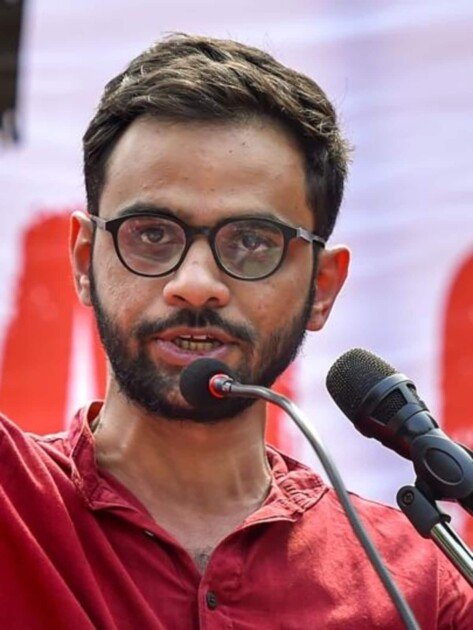
In a significant development in the 2020 Delhi riots conspiracy case, activist Umar Khalid has been granted interim bail by the Delhi High Court for two days to attend to his mother during her surgery and participate in a family religious ritual.

The court allowed Khalid temporary relief from June 1 to June 3, offering him a brief break from jail where he has remained lodged since September 2020 under the stringent UAPA law. The decision came shortly after a lower court had rejected his request for temporary bail.

According to the plea presented before the court, Khalid’s mother is scheduled to undergo a surgery on June 2, and the family argued that his presence was necessary during the medical procedure. The petition also mentioned the “Chehlum” ritual of his late uncle, observed 40 days after a family member’s death, which the family wanted him to attend.
Sources say Khalid’s lawyers stressed that he is the eldest and only son in the family, while his elderly father is not in a condition to manage the situation alone. His sisters, the plea stated, are married and live away from home.
The case once again brings attention to the long-running legal battle linked to the 2020 North-East Delhi riots case, where several student activists were accused of being part of a larger conspiracy behind the violence that erupted during protests against the CAA.
Interestingly, this is not the first time Khalid has received interim bail. In previous years, courts had granted him temporary relief for family-related reasons, including attending his sister’s wedding.
The latest order has once again sparked debate around humanitarian relief in high-profile cases, with legal observers closely watching how courts balance personal emergencies with serious criminal proceedings.