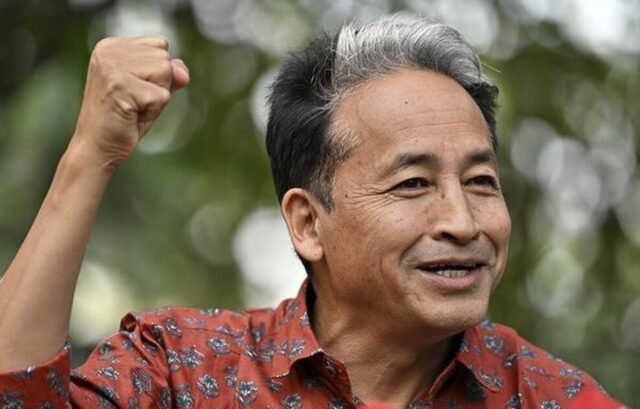
“Ladakh’s Future Will Be Decided By Its People”: Sonam Wangchuk Welcomes Big Shift In Power
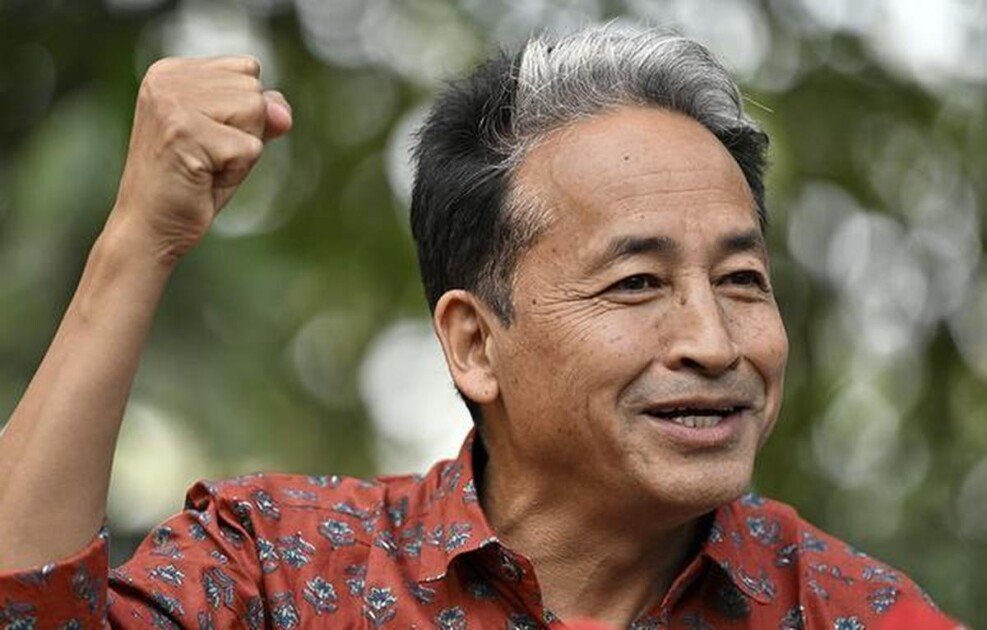
In a major political development for Ladakh, climate activist Sonam Wangchuk has welcomed the Centre’s latest understanding with Ladakhi leaders, saying financial and administrative decisions in the Union Territory will now rest with elected representatives instead of being controlled mainly by the Lieutenant Governor.

The breakthrough came after discussions between the Central government, the Ladakh Apex Body (LAB), and the Kargil Democratic Alliance (KDA). The proposed framework could pave the way for Ladakh to get its own legislative body, a Chief Minister-like leadership structure, and special safeguards under Article 371 to protect the region’s land, environment, and culture.

Speaking after the meeting, Wangchuk said this marks a huge shift for the people of Ladakh. Earlier, most major financial decisions were reportedly taken by the Lieutenant Governor, who is not directly elected by the public. Under the new arrangement, elected representatives would have control over the Union Territory’s budget and administration.
Wangchuk also highlighted that the new structure would give local leaders greater authority over bureaucracy, including top officials and administrative departments. According to him, this could finally give Ladakhis a stronger voice in shaping the future of the region.
At the same time, he clarified that the issue of full statehood is still open for discussion. Studies will reportedly be conducted to assess whether Ladakh has enough financial resources to sustain itself as a full-fledged state in the future.
The development is being seen as one of the most significant political moments for Ladakh since it became a Union Territory in 2019. For many residents, the move is not just about politics or administration — it is also about identity, representation, and protecting the fragile Himalayan region from unchecked development.