
Russia’s ‘Unstoppable’ Oreshnik Missile Sparks Fear After Massive Kyiv Strike
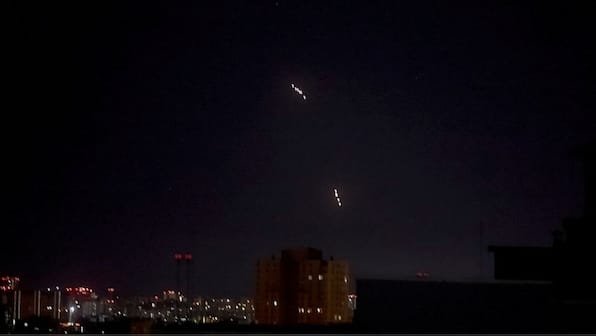
In one of the most intense attacks of the ongoing Russia-Ukraine war, Russia launched its powerful Oreshnik hypersonic missile at Kyiv, leaving at least four people dead and dozens injured. The overnight strike targeted multiple locations across the Ukrainian capital, damaging homes, schools, shopping centers, and public buildings.

Ukrainian President Volodymyr Zelenskyy confirmed that Kyiv was the primary target of the assault, while Russia claimed the attack was retaliation for alleged Ukrainian strikes inside Russian territory. Moscow also said it used a combination of Oreshnik, Iskander, Kinzhal, and Tsirkon missile systems during the operation.

What has grabbed global attention, however, is the terrifying reputation of the Oreshnik missile itself.
What Makes the Oreshnik Missile So Dangerous?
The Oreshnik is believed to be one of Russia’s most advanced hypersonic ballistic missiles. According to the Kremlin, the missile can travel at nearly Mach 10 — almost ten times the speed of sound — making interception nearly impossible with current air defense systems.
Russian President Vladimir Putin has previously described the missile as “impossible to intercept,” claiming even modern Western defense systems cannot stop it once launched.
Experts say the missile can carry multiple warheads capable of striking different targets simultaneously. It is also nuclear-capable, adding to fears surrounding its deployment in the war. Reports suggest the missile is derived from Russia’s RS-26 Rubezh system and can hit targets thousands of kilometers away across Europe.
Kyiv Residents Describe a Night of Horror
Residents in Kyiv described the attack as one of the most terrifying moments since the war began. Explosions reportedly shook entire neighborhoods as emergency crews rushed through burning buildings and collapsed structures.
One resident said the blast wave threw him and his dog across the room, while another described watching years of hard work disappear within seconds as markets and homes caught fire.
Emergency officials stated that more than 50 locations across Kyiv suffered damage during the strikes.
Why the World Is Watching Closely
This marks the third reported use of the Oreshnik missile in the Russia-Ukraine conflict. Analysts believe its repeated deployment signals Russia’s intention to showcase its next-generation military technology to both Ukraine and Western nations.
The attack has also reignited concerns about the growing use of hypersonic weapons in modern warfare — weapons that travel so fast that existing defense systems struggle to react in time.
As tensions continue to escalate, the Oreshnik missile is now being seen not just as a battlefield weapon, but as a powerful geopolitical message from Moscow to the rest of the world.