Court to Raghav Chadha: Politics Can’t Be Shielded From Criticism
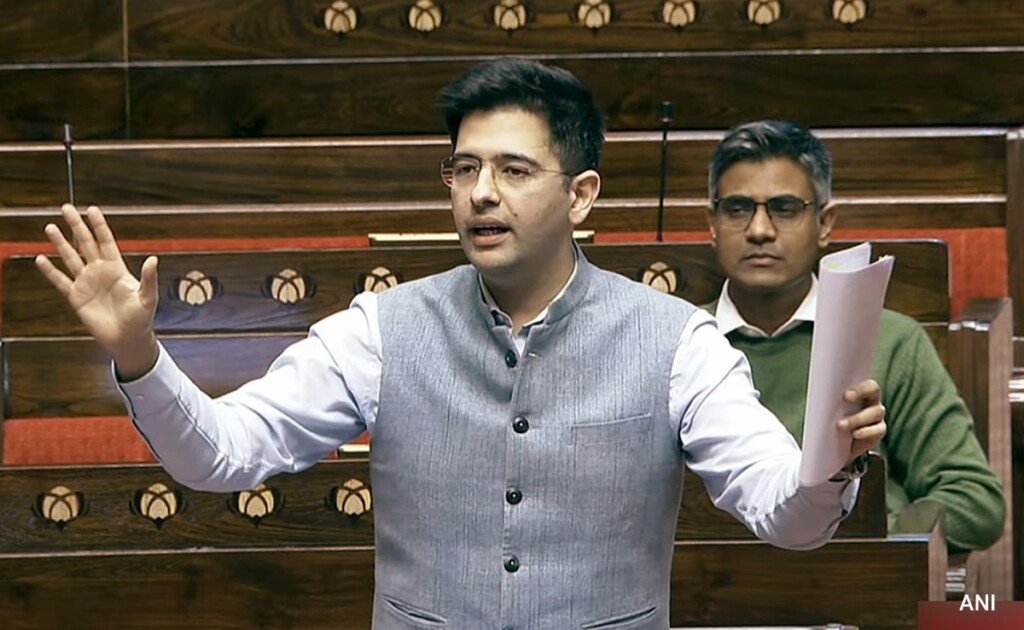
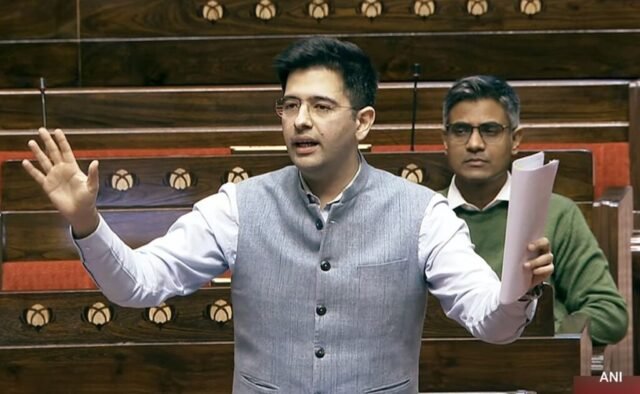
In a significant observation on free speech and political criticism, the Delhi High Court on Thursday refused to grant interim relief to BJP MP Raghav Chadha in his personality rights case linked to social media posts and online satire.

Hearing the matter, Justice Subramonium Prasad reportedly remarked that criticism, cartoons, satire, and public commentary aimed at political leaders cannot simply be stopped because they may appear uncomfortable or unpleasant to them. The court observed that democracy naturally allows room for political criticism, especially when public figures are involved.

The controversy erupted after Chadha, who was earlier associated with the Aam Aadmi Party (AAP), recently joined the BJP following internal disagreements with the party leadership. His political switch quickly became a talking point online, triggering sharp reactions, memes, satire, and criticism across social media platforms.
Chadha approached the court alleging misuse of his image, identity, and persona online. However, during the hearing, the court noted that the posts in question appeared to be connected to political opinions and reactions surrounding his public decisions rather than commercial misuse of his identity.
The observation has sparked wider discussion around the balance between personality rights and freedom of expression in India’s political landscape. Legal experts believe the court’s stance reinforces the idea that politicians, as public figures, are naturally subject to public scrutiny, satire, and criticism.
The matter is expected to be heard further in the coming days, but the court’s remarks have already drawn attention for underlining the importance of free political expression in a democratic society.