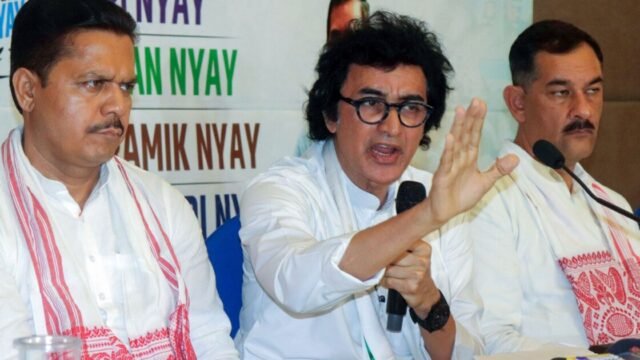
“Justice Delayed Is Lives Destroyed”: Dr Ajoy Kumar Slams Judicial Crisis, Targets Centre
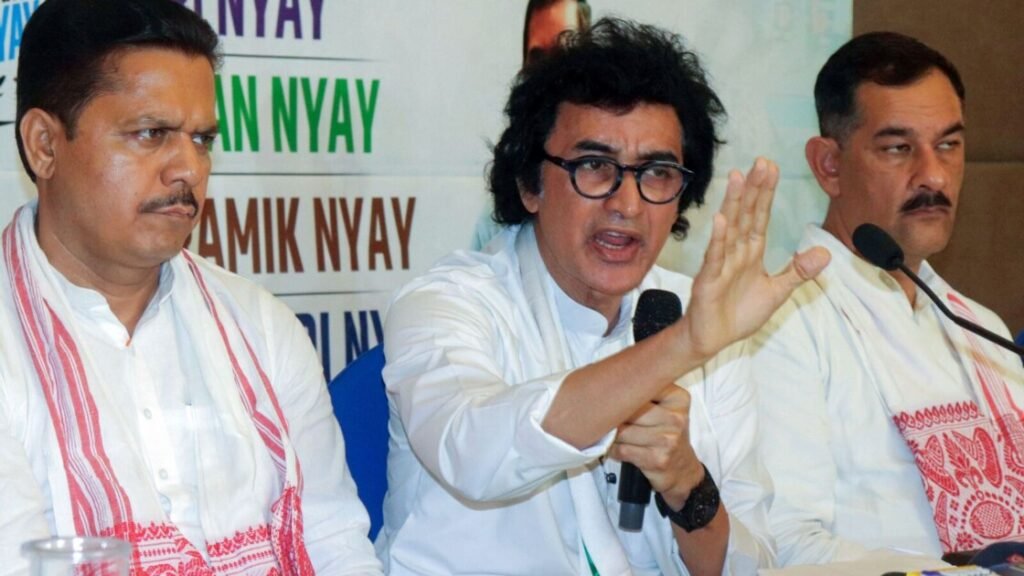
A sharp political and judicial debate has erupted after senior Congress leader Dr Ajoy Kumar raised serious concerns over the condition of India’s judicial system, blaming the long-pending shortage of judges and vacant posts for massive delays in justice delivery.

In a strongly worded social media post, Dr Kumar claimed that the biggest reason behind delays in Indian courts is the severe shortage of judges across the country. According to him, thousands of cases remain pending for years because courts are burdened far beyond capacity, leaving undertrial prisoners stuck in jail for long periods without timely hearings.

Highlighting the situation in Uttar Pradesh, he alleged that a single judge is handling nearly 4,300 cases on average — a number he described as shocking and deeply worrying for the justice system. His remarks quickly gained attention online after he accused the Modi government of failing to adequately address judicial vacancies over the past decade.
Dr Kumar argued that delayed justice does not only slow legal proceedings but also destroys lives, especially for poor and undertrial prisoners who often spend years waiting for verdicts. “Justice delayed becomes punishment itself,” was the core message reflected in his criticism.
The issue of judicial backlog has remained a major concern in India for years. Reports and legal data show that crores of cases are still pending in courts across the country, with district courts carrying the heaviest burden. Experts have repeatedly pointed to judge shortages, rising litigation, and slow procedural systems as key reasons behind the crisis.
At the same time, the government has been pushing digital reforms and modernization efforts within the judiciary. Recently, the Supreme Court and the Department of Justice also held discussions on technology-driven reforms and faster judicial processes through digital transformation initiatives.
Dr Kumar’s remarks have now added a political dimension to the debate, with opposition leaders using the issue to attack the Centre while supporters of the government argue that judicial appointments and reforms involve multiple constitutional processes, not just executive decisions.
As conversations around judicial reform grow louder, one thing remains undeniable — millions of pending cases and overburdened courts continue to test the patience and faith of ordinary citizens seeking justice in India.