AI World Gets a Shake-Up as OpenAI Co-Founder Andrej Karpathy Joins Anthropic
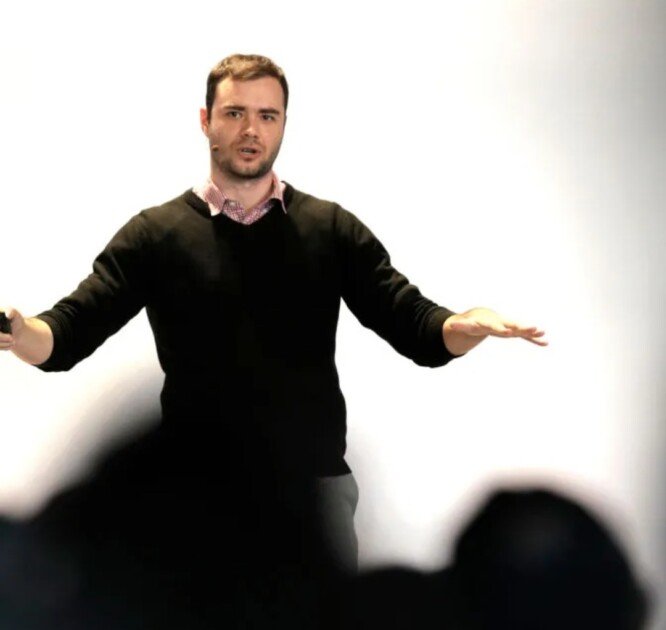
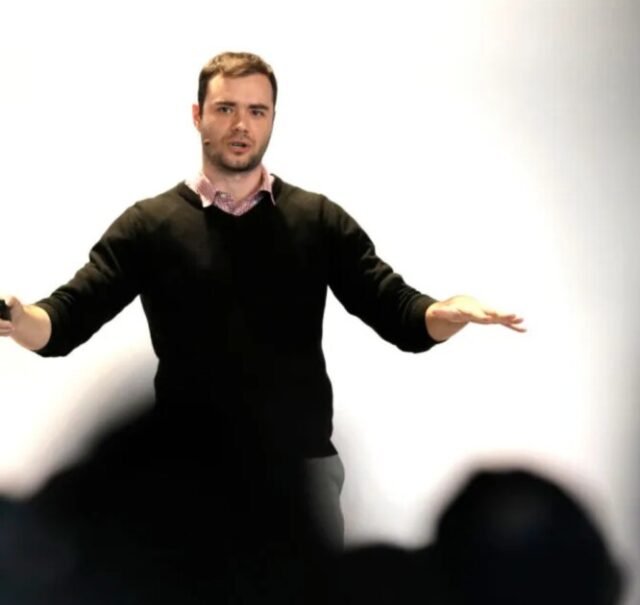
The artificial intelligence industry witnessed another major twist this week as renowned AI researcher and OpenAI co-founder Andrej Karpathy officially joined Anthropic’s pre-training team — a move that has instantly sparked intense discussion across the global tech community.

Karpathy, widely respected for his groundbreaking work in deep learning and neural networks, is considered one of the most influential figures in modern AI development. He previously played a key role at OpenAI and later became the Director of AI at Tesla, where he led the company’s Autopilot vision systems. His decision to join Anthropic now signals how fiercely competition is heating up among the world’s top AI companies.

Anthropic, the company behind the Claude AI models, has rapidly emerged as one of OpenAI’s biggest rivals in the race to build more advanced and safer artificial intelligence systems. By bringing Karpathy into its pre-training division — the stage where massive AI models learn from huge datasets before becoming usable chatbots or assistants — the company appears to be strengthening its long-term ambitions in foundational AI research.
Interestingly, Karpathy clarified that he is not joining Anthropic as an executive or in a leadership position. Instead, he described himself as a “research scientist” who wants to focus deeply on technical work and experimentation. That statement alone has earned praise online, with many in the AI community appreciating his decision to stay close to hands-on innovation rather than corporate management.
The news quickly went viral across social media and tech forums, where users called the move “a huge win for Anthropic.” Many experts believe Karpathy’s experience in large language models, computer vision, and AI scaling could significantly boost Anthropic’s future model development.
The timing is also important. The AI race has become more intense than ever, with companies like OpenAI, Google DeepMind, Meta, xAI, and Anthropic all competing to dominate the next generation of artificial intelligence. Hiring top researchers has become one of the biggest battlegrounds in Silicon Valley, and Karpathy’s move is being seen as another sign that the talent war in AI is far from slowing down.
As the industry evolves at lightning speed, one thing is becoming increasingly clear — the future of AI may not just depend on technology itself, but also on the brilliant minds shaping it behind the scenes.