India’s Invisible Backbone Is Breaking — And Nobody Is Listening
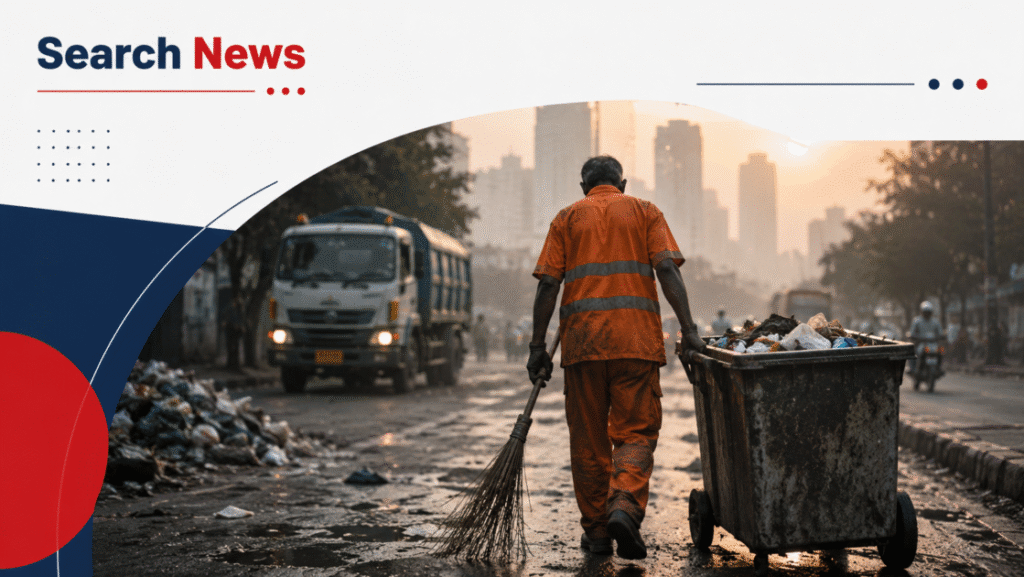
Behind every clean street, functioning sewer, and garbage-free colony stands a workforce most people never notice. India’s sanitation workers — the people who keep cities alive — continue to work in extreme heat, toxic environments, and life-threatening conditions, often without proper safety equipment, healthcare, or dignity.

A recent discussion highlighted how these workers are silently carrying the burden of India’s rapid urban growth while facing dangerous realities every single day. From climbing into poisonous sewer lines to working under brutal summer temperatures, many risk their lives simply to earn a living.

What makes the issue even more disturbing is how invisible these workers remain in public conversation. While cities expand, flyovers rise, and development dominates headlines, the people doing the dirtiest and most essential jobs are still treated as disposable. Many workers come from marginalised communities, and experts argue that climate change is making their conditions even worse. Rising temperatures, polluted air, and poor urban planning are turning already difficult jobs into deadly ones.
The crisis is no longer just about labour rights — it is becoming a question of humanity and governance. Across India, environmental and public health experts are warning that the country cannot keep ignoring the people who form its “invisible backbone.” Toxic air, unsafe waste systems, and poor protections are not isolated problems anymore; they reflect deeper failures in how cities are built and who gets protected.
Yet despite the risks, these workers continue showing up every day before sunrise, cleaning streets, handling waste, and keeping millions safe from disease outbreaks. Most citizens only notice them when services stop. Until then, their struggles remain hidden behind masks, manholes, and municipal uniforms.
India’s development story often celebrates skyscrapers, technology, and economic growth. But perhaps the real measure of progress lies elsewhere — in whether the country finally chooses to protect the workers who hold its cities together.